
"ET grading"
70 article(s) found
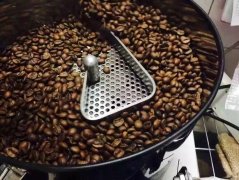
Explanation of the basic chemical reaction of coffee roasting in both Chinese and English
Original: Basic Chemical Reactions Occurring in the Roasting Process by Carl Staub sourced from the SCAA Roast Color Classification System developed by Agtron-SCAA in 1995 Many thermal and chemical reactions occur during the roasting proces

Brazil Pantano Pantano Manor Coffee how to drink well _ Brazilian Hirado Coffee beans roast and share
Professional coffee knowledge exchange more coffee bean information please follow the coffee workshop (Wechat official account cafe_style) Brazilian coffee Pantano / Brazil / Yellow bourbon et al. / semi-washed Brazil Cerrado Fazenda Pantano (YELLOW BOURBON) this is the yellow bourbon produced by Pantano Manor in the Cerrado region of Brazil, this estate is located 1007-1165 meters above sea level, this high

2019 Shanghai International Coffee Food Culture Festival opened on April 1st, with more than 100 coffee shops flash mob.
Professional coffee knowledge exchange more coffee bean information please follow the coffee workshop (Wechat official account cafe_style) Shanghai International Coffee Food Culture Festival (Shanghai Coffee Foodie Festival) will launch another blockbuster from April 1 to April 4, 2019, landing at the Shanghai New International Expo Center (2345 Longyang Road, Pudong New area). After months of hibernation,

Hawaiian coffee boutique coffee beans grading how about Hawaiian Kona coffee beans
Professional coffee knowledge exchange more coffee bean information Please pay attention to Coffee Workshop (Wechat official account cafe_style) the unique natural environment of KONA area has given birth to Arabica coffee, which has become the highest yield plantation in the world, not only the quality is guaranteed, but also the coffee taste is more rich in the unique growing environment and climate. KONA area

Basic chemical reactions that occur during coffee roasting
Many thermal and chemical reactions take place during baking: decarbonation, dehydration of quinic acid, fragmentation, isomerization, polymerization, and complex sugar reactions (caramelization). The main thermally reactive components are monosaccharides and sucrose, chlorogenic acid, displaced amino acids, and trigonelline amide. Both aravinone and calactose in polysaccharides are transferred, and basic sulfurization contains hydroxyamino acids.
The basic chemical reaction of coffee roasting process
Many thermal and chemical reactions take place during baking: decarbonation, dehydration of quinic acid, subdivision, isomerization, polymerization, and complex sugar reactions (caramelization). The main components of the thermal reaction are monosaccharides and sucrose, chlorogenic acid, free amino acids, and fenugreek amide. Both aravinose and calactose in the polysaccharides are transferred, and the basic vulcanization contains hydroxylated amino acid.
The basic chemical reaction that takes place during coffee roasting.
Many thermal and chemical reactions take place during baking: decarbonation, dehydration of quinic acid, subdivision, isomerization, polymerization, and complex sugar reactions (caramelization). The main components of the thermal reaction are monosaccharides and sucrose, chlorogenic acid, free amino acids, and fenugreek amide. Both aravinose and calactose in the polysaccharides are transferred, and the basic vulcanization process includes hydroxylamine.

The basic chemical reactions that take place during coffee roasting
Many thermal and chemical reactions take place during baking: decarbonation, dehydration of quinic acid, subdivision, isomerization, polymerization, and complex sugar reactions (caramelization). The main components of the thermal reaction are monosaccharides and sucrose, chlorogenic acid, free amino acids, and fenugreek amide. Both aravinose and calactose in the polysaccharides are transferred, and the basic vulcanization process includes hydroxylamine.

Basic chemical reactions of coffee beans during coffee roasting
Many thermal and chemical reactions take place during baking: decarbonation, dehydration of quinic acid, subdivision, isomerization, polymerization, and complex sugar reactions (caramelization). The main components of the thermal reaction are monosaccharides and sucrose, chlorogenic acid, free amino acids, and fenugreek amide. Both aravinose and calactose in the polysaccharides are transferred, and the basic vulcanization process includes hydroxylamine.

The basic chemical reactions that take place during coffee roasting
Many thermal and chemical reactions take place during baking: decarbonation, dehydration of quinic acid, subdivision, isomerization, polymerization, and complex sugar reactions (caramelization). The main components of the thermal reaction are monosaccharides and sucrose, chlorogenic acid, free amino acids, and fenugreek amide. Both aravinose and calactose in the polysaccharides are transferred, and the basic vulcanization process includes hydroxylamine.

The basic chemical reactions that take place during coffee roasting.
Many thermal and chemical reactions take place during baking: decarbonation, dehydration of quinic acid, subdivision, isomerization, polymerization, and complex sugar reactions (caramelization). The main components of the thermal reaction are monosaccharides and sucrose, chlorogenic acid, free amino acids, and fenugreek amide. Both aravinose and calactose in the polysaccharides are transferred, and the basic vulcanization process includes hydroxylamine.
The basic chemical reaction of coffee technology in the process of coffee roasting
Many thermal and chemical reactions take place during baking: decarbonation, dehydration of quinic acid, subdivision, isomerization, polymerization, and complex sugar reactions (caramelization). The main components of the thermal reaction are monosaccharides and sucrose, chlorogenic acid, free amino acids, and fenugreek amide. Both aravinose and calactose in the polysaccharides are transferred, and the basic vulcanization process includes hydroxylamine.

The introduction of the producing areas of Ethiopian coffee beans in what way they are graded.
A brief introduction to the taste of Starbucks Ethiopian coffee beans. The grading and quality control system of coffee is divided into three levels: producer, regional and national. All coffee is inspected by local inspection agencies before leaving the country of origin, and then re-tested at the coffee inspection and grading centers in Addis and Diredawa to determine its quality grade. The coffee is being shot.
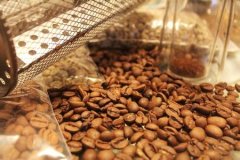
The basic chemical reaction that takes place during coffee roasting.
Basic chemical reactions that occur during coffee roasting author: Carl Staub originates from the SCAA baking color classification system, developed by Agtron SCAA 1995 original text from: http://www.sweetmarias.com/roast.carlstaub.html translation: Grant, http://www.baristacn.com/forum/thread-1583-1-1.html in the roasting process
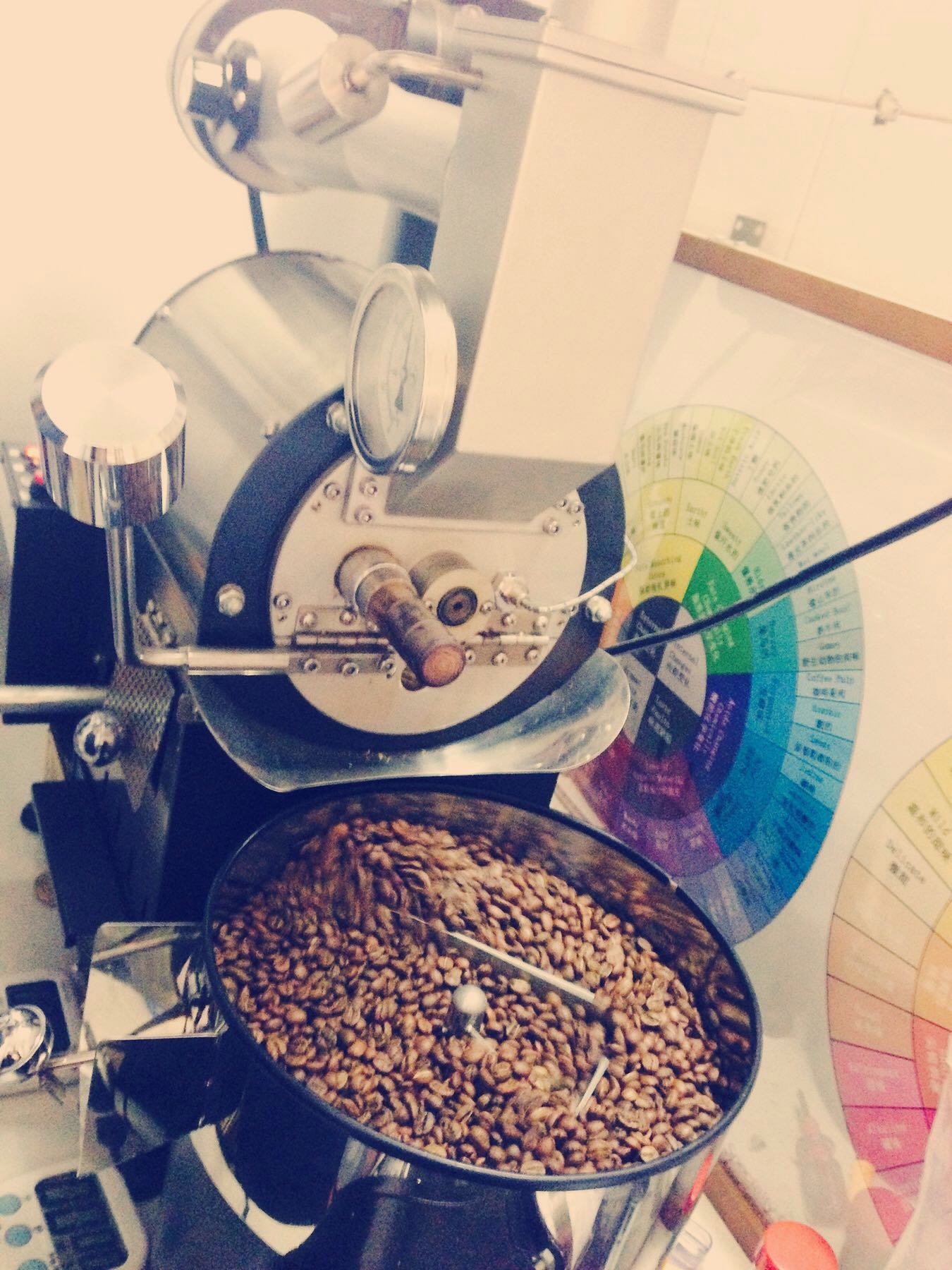
Key points of coffee roasting techniques: basic chemical reactions that take place during coffee roasting
Basic chemical reactions that occur during coffee roasting author: Carl Staub originates from the SCAA baking color classification system, developed by Agtron SCAA 1995 original text from: http://www.sweetmarias.com/roast.carlstaub.html translation: Grant, http://www.baristacn.com/forum/thread-1583-1-1.html in the roasting process
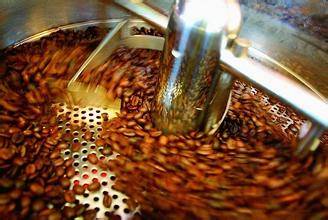
The basic chemical reaction that occurs during coffee roasting. The ingredients produced by the degree of coffee roasting.
Basic chemical reactions that occur during coffee roasting author: Carl Staub originates from the SCAA baking color classification system, developed by Agtron SCAA 1995 original text from: http://www.sweetmarias.com/roast.carlstaub.html translation: Grant, http://www.baristacn.com/forum/thread-1583-1-1.html in the roasting process

Hawaii kona coffee color profile characteristics authentic kona coffee expensive
Professional coffee knowledge exchange More coffee bean information Please pay attention to coffee workshop (Weixin Official Accounts cafe_style) KONA coffee beans are mostly graded by bean size, which can be divided into four levels, namely the highest level Extra Fancy, Fancy, Prime and Gr. No. 1, etc. It is also divided into Type1 and Type2. Type1 is a standard coffee bean containing the largest size Kona Ex
Ethiopian sun aricha Yega snow caffeine G1
Ethiopian Yirgacheffe Aricha G1 country: Ethiopia grade: G1 producing area: Yegashafi Gediyo altitude: 1900-2100 m treatment: sun varieties: original species producer: Kebel Aricha flavor: light fermented wine, sweet orange, spices, honey sweet

Ethiopian sun-cured aricha coffee flavor
Ethiopian Yirgacheffe Aricha G1 country: Ethiopia grade: G1 producing area: Yegashafi Gediyo altitude: 1900-2100 m treatment: sun varieties: original species producer: Kebel Aricha flavor: light fermented wine, sweet orange, spices, honey sweet
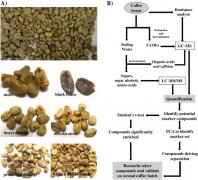
What is the difference between good and bad coffee beans?
Have you ever wondered why coffee beans go bad? What are the defects of coffee beans? Why do they have such defects? Today, Qianjie Coffee will take you to see what kinds of defective beans are and the reasons for the formation of defective beans! Coffee processing usually begins on the same day as the fruit is harvested to prevent unwanted fermentation that could alter the chemical properties of the coffee beans. this